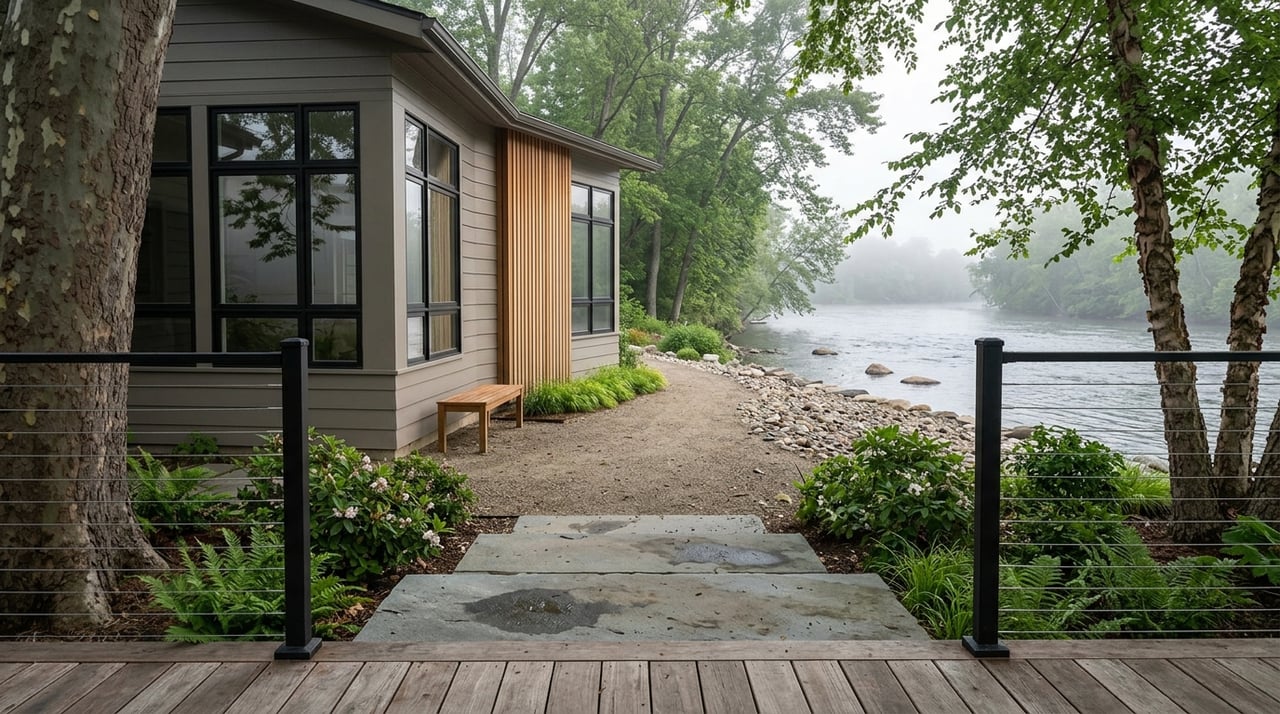
If you are drawn to the idea of living near the water in Western North Carolina, Woodfin deserves a closer look. This small town just north of Asheville offers a river-centered setting, public access points, and a housing mix that feels more varied and lived-in than many newer communities. If you want to understand what riverfront and riverside living in Woodfin really looks like today, this guide will walk you through the lifestyle, the housing, and the practical details that matter most. Let’s dive in.
Woodfin’s River Identity
Woodfin’s identity is closely tied to the French Broad River. According to Blueprint Woodfin, the town’s planning vision treats the river as a central community asset, with a focus on public access, parks, habitat, floodplain connections, and riverfront activity areas.
That matters if you are considering a home here. In Woodfin, riverside living is not just about a few homes with water views. It is also about being part of a town that is actively shaping how people live, move, and spend time along the river corridor.
A helpful way to think about it is this: Woodfin’s riverfront is evolving. It is not a single finished waterfront district. Instead, it is a growing network of parks, trails, access points, and future improvements that continue to change how the area functions and feels.
River Access and Outdoor Amenities
One of the biggest questions buyers ask is simple: can you actually enjoy the river in Woodfin? The answer is yes, and the public access points are a major part of the appeal.
Riverside Park Features
The town describes Riverside Park at 1630 Riverside Drive as a river-oriented park with practical amenities for day-to-day use. It includes:
- A picnic shelter
- Picnic tables and grills
- Benches
- A kayak and canoe launch
- Paved walking trails
- Public restrooms
For buyers who want easy outdoor access without driving far from home, this kind of amenity can shape how a location feels in everyday life. It gives you a place to walk, paddle, or spend time outside close to the river.
Silver-Line Park Amenities
Woodfin also has Silver-Line Park at 1050 Riverside Drive. The town calls it its newest park, and it includes a pirate-ship playground, wetlands, two picnic shelters, river access via a boat ramp, and a train platform for the Craggy Mountain Line.
That mix of features adds another layer to the riverside lifestyle. Depending on where you live in Woodfin, you may be close to more than one public access point along the French Broad.
Greenway and Blueway Expansion
The river story in Woodfin is still growing. RiverLink’s Woodfin Greenway & Blueway project describes a $34 million effort that will add five miles of greenway along the French Broad River and Beaverdam Creek, plus new river-access sites and expansion of Riverside Park.
RiverLink also notes that these trails are intended to connect with Asheville’s broader greenway network and support more than 25 miles of safe urban paths centered on the French Broad. For buyers, that signals long-term lifestyle value. For sellers, it points to a town making visible public investment in outdoor infrastructure.
What Riverside Living Feels Like
Woodfin offers a different feel than a master-planned riverfront development. The town’s own planning materials suggest a mountain community that is working to improve access to the river while protecting environmentally sensitive land and maintaining places to live, work, and recreate.
In practical terms, that means you may find a home near the river, near a park, or along roads that connect you to these amenities, rather than inside a polished, fully built-out waterfront district. Some buyers see that as part of the appeal. It can feel more organic, more local, and more connected to the natural setting.
If you want a lifestyle that blends outdoor access with proximity to Asheville, Woodfin stands out. Data USA reports an average commute time of 22.8 minutes in 2024, with 19.1% of workers working from home. That can make Woodfin attractive if you want a river setting without feeling far removed from the rest of Buncombe County.
Housing Types in Woodfin
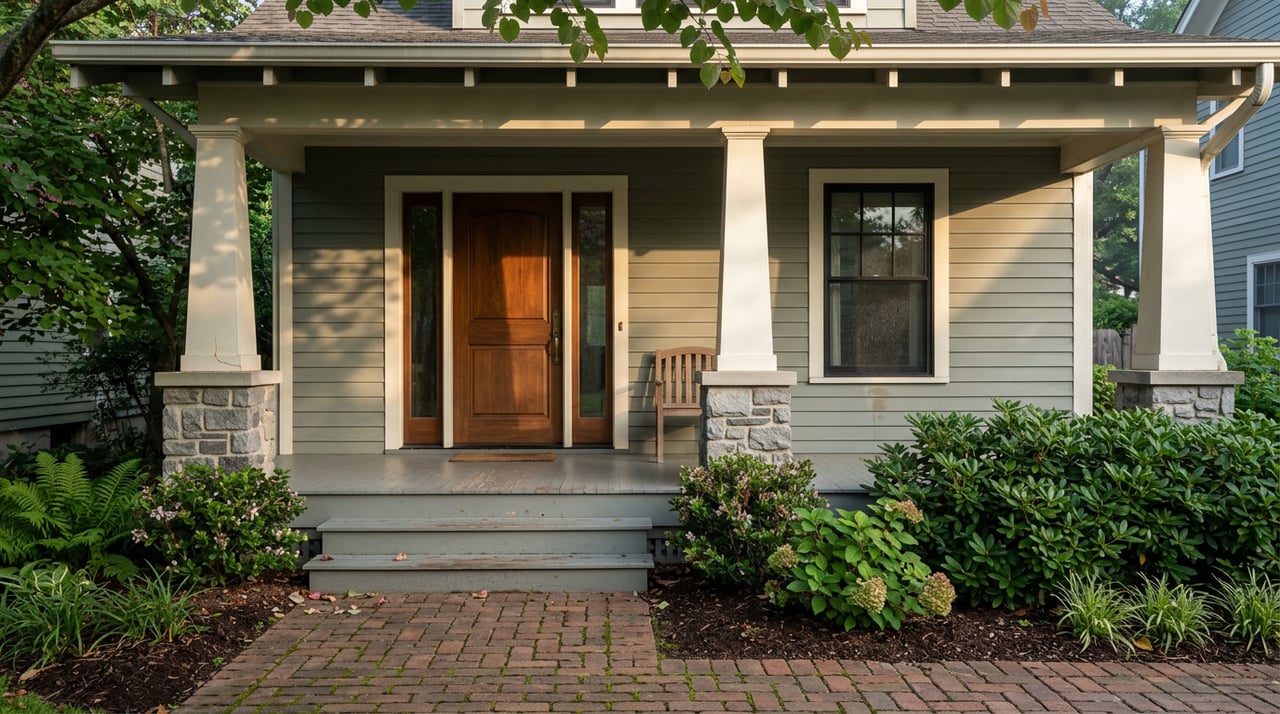
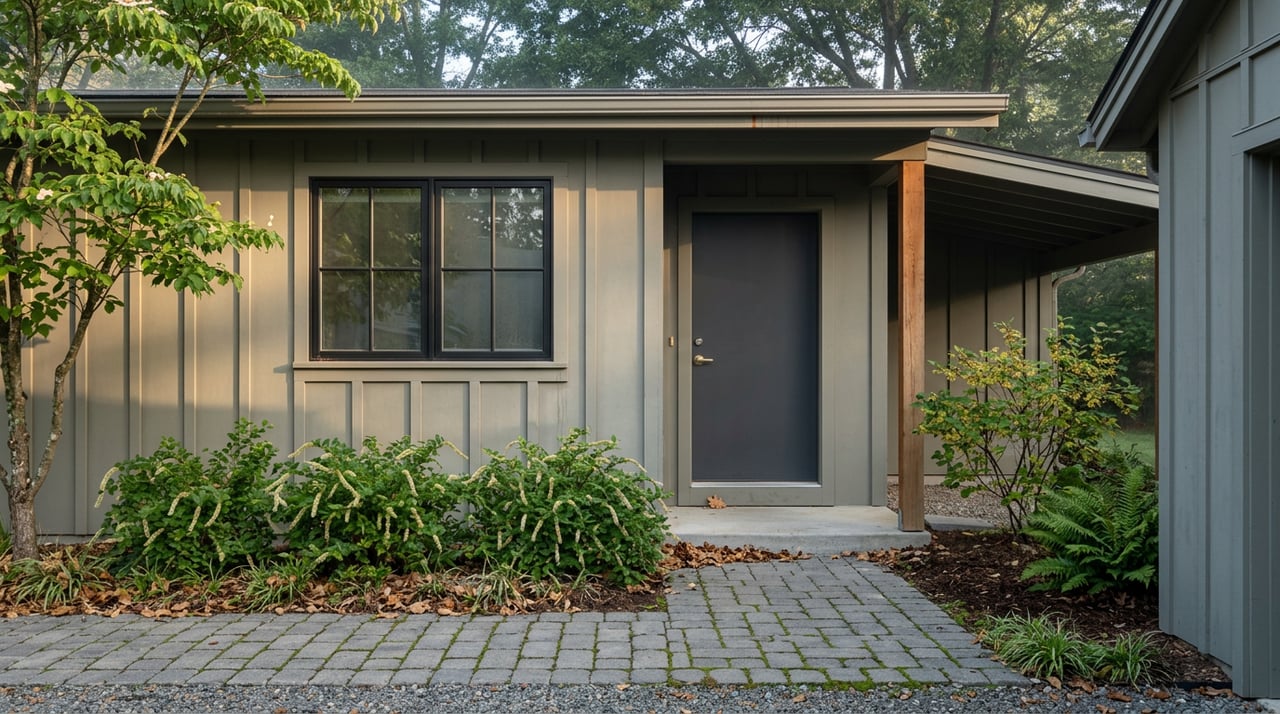
If you are picturing only one kind of home, Woodfin may surprise you. The town’s planning work describes a mix of hillside homes, mill-village cottages, manufactured-home areas, and newer development pressure.
That variety is part of what makes Woodfin distinct. It does not read as a one-style market. Instead, you will see a housing pattern shaped by topography, history, and gradual change over time.
A Mixed and Layered Housing Stock
Blueprint Woodfin notes that the town wants to preserve its character while increasing housing choices and options. It also states that many of the easiest-to-develop parcels have already been built out, which suggests future change is likely to come through infill, redevelopment, and updated development rules rather than large new subdivisions.
Older housing helps explain the town’s feel on the ground. A historical Land of Sky housing snapshot found that 60.1% of housing was single-family detached, 21.4% was mobile homes, and a notable share of homes dated to 1939 or earlier or to the 1970s.
For buyers, that means your search may include cottages with older character, homes on hillsides, and properties with renovation potential. For sellers, it means condition, updates, and presentation can have a major impact on how your home competes.
Market Snapshot
More recent data shows Woodfin remains a mixed-tenure market. Census Reporter lists the median owner-occupied home value at $366,700 in 2024, while Data USA reports a 53.7% homeownership rate in 2024.
That tells you Woodfin is neither a purely owner-occupied suburb nor a rental-dominated market. It sits somewhere in between, which can create a more varied housing landscape and a broader range of property types.
Key Considerations for Riverfront Buyers
Living near the river can be appealing, but it also comes with practical questions. In Woodfin, floodplain and stormwater issues are an important part of the conversation.
Floodplain and Resilience Matter
Blueprint Woodfin says the town is working to integrate floodway, stormwater, streets, sidewalks, subdivision, and zoning standards through updated development rules. That is a strong sign that river-related planning is not an afterthought here.
The issue is also visible in current public projects. In 2026, the NC Department of Environmental Quality announced flood-resilience funding for Riverside Park and noted that the park and nearby roadway were significantly flooded during Hurricane Helene.
If you are shopping for riverfront or riverside property, this is where local guidance matters. You will want to look closely at location, site conditions, and how a property relates to the broader river corridor.
Understand the Riverfront Is Still Evolving
Another key point is that Woodfin’s river amenities are still under development. Town and state materials show that improvements at Riverside Park, Taylor’s Wave, and the broader greenway system are part of an active public investment story, not a finished chapter.
That can be exciting if you want to buy into an area with momentum. It also means your experience of the river corridor may continue to change over time as new connections and access points come online.
What This Means for Sellers
If you own a home in Woodfin, the river story can shape how buyers see your property. That does not mean every listing is a riverfront listing. It does mean proximity to parks, greenway plans, public access, and Asheville connectivity may all matter in your marketing.
In a market with mixed housing types and a range of home ages, preparation also matters. Homes with older systems, deferred maintenance, or unfinished update projects may need a more thoughtful plan before hitting the market.
That is where practical, local advice can make a difference. Rebecca Lafunor’s remodeling and seller-prep experience can help you think through which improvements are worth making, how to position your property clearly, and how to present Woodfin’s evolving riverside appeal in a way that feels accurate and compelling.
Why Woodfin Appeals to Different Buyers
Woodfin can work for more than one type of buyer. Some people are drawn to the outdoor access and the feel of being close to the French Broad. Others are looking for convenience to Asheville, a more varied housing stock, or a home with character and future potential.
For remote buyers and relocators, Woodfin can be especially interesting because it offers a strong sense of place without requiring a long commute. For buyers open to older homes or infill areas, it may also offer options that feel different from more uniform neighborhoods.
The key is understanding what Woodfin is and what it is not. It is a mountain town with a real river presence, active public investment, and a housing landscape shaped by history. If that mix fits your goals, Woodfin is worth serious consideration.
If you are exploring Woodfin or thinking about selling there, Rebecca Lafunor can help you evaluate the river corridor, compare property types, and build a practical plan for your next move.
FAQs
Is there public river access in Woodfin, NC?
- Yes. Riverside Park includes a kayak and canoe launch, and Silver-Line Park includes river access via a boat ramp.
Is the riverfront in Woodfin fully developed?
- No. Public documents show the river corridor is still evolving through the Woodfin Greenway & Blueway project and additional park improvements.
What types of homes are common in Woodfin, NC?
- Woodfin includes a mix of hillside homes, mill-village cottages, manufactured-home areas, and other infill or redevelopment opportunities.
What should you consider before buying near the river in Woodfin?
- You should pay close attention to floodplain, stormwater, site conditions, and how the property fits into the changing river corridor.
Is Woodfin convenient for commuting around Buncombe County?
- Data USA reports an average commute time of 22.8 minutes in 2024, which supports Woodfin’s appeal for buyers who want outdoor access with close regional connectivity.