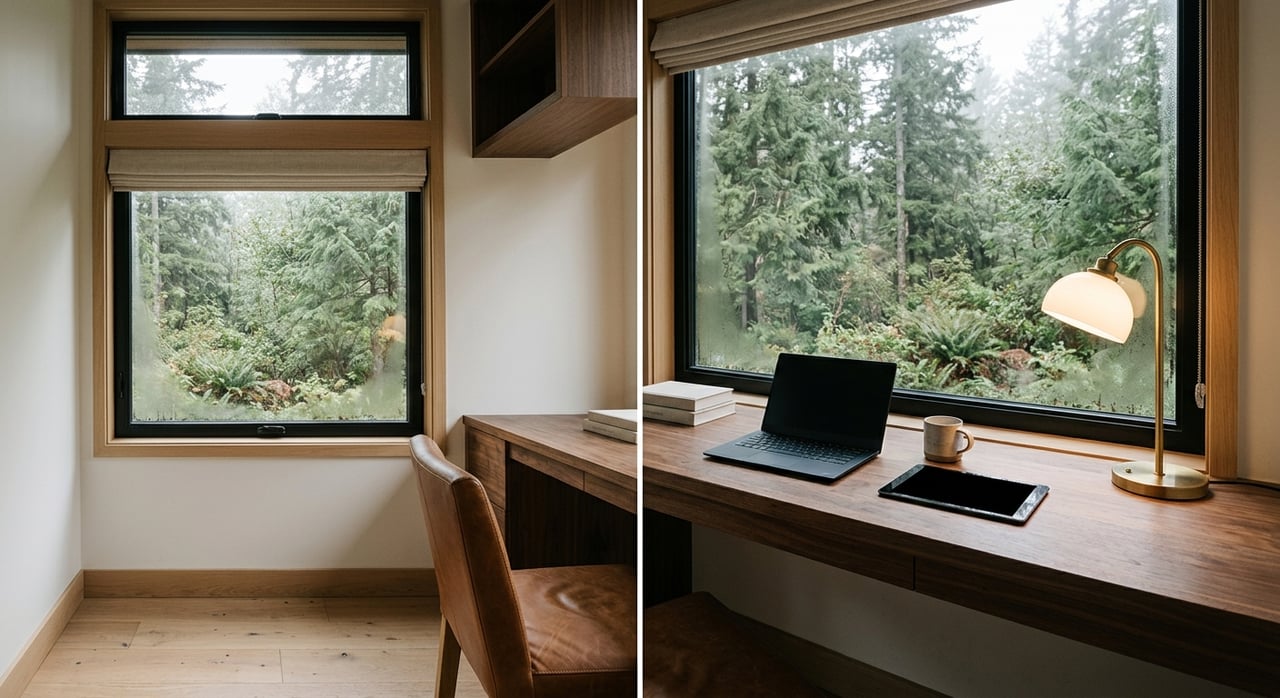
Thinking about moving to Asheville while working remotely? You are not alone, and you do not have to make a blind leap. Today’s buyers often start online, use mobile tools, and lean on virtual tours before ever stepping into a home, which makes a remote-friendly search more practical than ever. If you want a smarter way to narrow options, compare areas, and protect yourself before making the trip, this guide will walk you through it. Let’s dive in.
Why Asheville works for remote buyers
A remote-first home search fits the way many people buy today. According to the National Association of Realtors 2024 buyer profile, 43% of buyers started by searching properties online, 69% used a mobile or tablet device, and many used virtual tours and virtual listings during their search.
That shift matters even more for relocation buyers. In the NAR 2024 migration trends report, many movers said they were looking to be closer to family and friends or to get more house for the money. The same report found that job location did not affect the purchase decision for 43% of recent clients because they kept working remotely.
For many buyers, Asheville checks the boxes that matter most in a move. Buyers often prioritize outdoor space, more square footage, and quieter surroundings, and those lifestyle goals often line up with what people hope to find in Buncombe County and the surrounding Western North Carolina area.
What the Buncombe market means for you
If you are buying from out of town, market pace matters. In February 2026, Buncombe County had 1,161 homes for sale, 4.1 months of supply, a median sales price of $468,000, and 91 days on market, according to a CarolinaHome market summary.
That same report describes Buncombe County as moving toward a more balanced market. For you, that can mean more time to compare homes, ask questions, and avoid rushed decisions than buyers faced in tighter market years.
At the same time, balanced does not mean slow on every property. Well-prepared homes can still attract strong interest, so a clear process helps you move quickly when the right fit appears.
Build your remote search system
A good remote search is not just about scrolling listings. It works best when you use one main system to track homes, compare notes, and decide when a property deserves a closer look.
Rebecca Lafunor’s home search platform and app is designed for that kind of workflow. It gives you access to MLS listings, tour requests, questions, budgeting tools, and recommended local professionals, all in one place.
That setup is especially useful when you are relocating. Rebecca’s background in remodeling, rentals, and new construction can also help you judge a home’s condition, layout potential, and repair needs from a distance before you commit to travel.
Use the app as your command center
When you search remotely, keep everything organized in one place. Save listings, flag favorites, request tours, and track questions as you go.
This helps you compare homes by the details that matter most to your daily life, not just by price or square footage. It also makes it easier to spot patterns, like which areas give you more lot space, shorter drives, or a home office setup that actually works.
Narrow your search by area
Rebecca serves Asheville and nearby communities within about a 45-minute radius, including Black Mountain, Swannanoa, Woodfin, Weaverville, Biltmore Forest, Biltmore Park, Arden, Candler, Hendersonville, Fletcher, Waynesville, and Burnsville. That broader range matters if you are still deciding what kind of lifestyle you want.
Some buyers want quicker access to city amenities. Others are looking for more space, a different road feel, or a property with a mountain setting. Starting with area comparisons can save you time before you dive into individual homes.
Compare Asheville areas the smart way
When you are relocating, neighborhood names only tell you so much. What matters more is how an area functions for your daily routine.
The City of Asheville offers several GIS and mapping tools that can help you pre-screen locations. Tools like Map Asheville, the Open Data Portal, zoning maps, road and pedestrian closures, and neighborhood resources can help you research a property beyond the listing photos.
The city also notes in its planning guidance that it does not identify fixed neighborhood boundaries and that many areas overlap. That is a good reminder to focus less on labels and more on practical questions like access, road patterns, and nearby services.
What to compare from a distance
As you narrow your list, compare homes and areas using the same criteria each time:
- Drive time to the places you expect to use often
- Access to groceries, parks, dining, and everyday services
- Whether the setting feels more city-centered or suburban
- Road and driveway feel, especially for hillside or mountain properties
- Lot slope, views, drainage patterns, and outdoor usability
This type of comparison gives you a more realistic picture than a listing headline ever could. It also helps you avoid falling for a home online that may not fit your day-to-day needs.
Use neighborhood pages as previews
Neighborhood guides can be helpful when they go beyond listings. On Home in WNC, you can preview area-specific content like the Asheville page, East Asheville Living resources, and the Biltmore Park neighborhood guide.
That Biltmore Park guide offers more than homes for sale. It also includes local context such as population, a Walk Score of 21, and a Bike Score of 10, which can help you understand that some Asheville-area searches may still be more car-oriented even when shops, dining, and parks are nearby.
Plan your video tours with purpose
A remote-friendly search works best when video tours are part of a larger plan. Instead of touring every possible home, use listing review and neighborhood screening first, then reserve live or recorded tours for your strongest options.
This keeps you focused on homes that already meet your core needs. It also gives you better questions to ask during a tour, which is where local guidance becomes especially valuable.
Ask the right questions on camera
During a video tour, look beyond finishes and staging. Ask to see the street approach, driveway grade, nearby homes, exterior drainage areas, retaining walls, and the overall lay of the lot.
Inside the home, pay attention to natural light, room flow, and whether the spaces match how you plan to live and work. If you need a dedicated office, guest space, or flexible bonus room, confirm that the layout supports it in real life, not just in photos.
Save the in-person trip for finalists
You do not need to fly in for every possibility. A practical approach is to shortlist online, use virtual tours to narrow the field, and then plan one focused trip for the final contenders.
That sequence lines up with how buyers search today and gives you a better use of time. It also allows you to experience the details that are hard to judge remotely, like light, noise, road feel, and the overall character of the immediate area.
If you are trying to make one trip count, a tight shortlist matters. The goal is not to see everything. The goal is to see the right homes after you have already done the heavy filtering.
Protect yourself with due diligence
Remote buying should still be careful buying. Before you tighten up an offer or consider waiving protections, make sure you understand which checks matter most and what each one can and cannot tell you.
According to the Consumer Financial Protection Bureau, a home inspection and an appraisal are not the same thing. The CFPB also advises buyers to schedule an inspection as soon as possible and, when possible, make offers contingent on financing and a satisfactory inspection.
Inspection and appraisal are different
An appraisal is mainly for the lender. A home inspection is for you.
That difference is important in any market, but especially when you are buying from a distance. If a home has a serious issue, your inspection period may be the time when you can renegotiate or cancel, depending on your contract terms.
Mountain property checks matter in Buncombe
In Buncombe County, some property details deserve closer attention. The county regulates development in the 100-year floodplain, including new structures, additions, grading, filling, and other man-made changes.
Water and wastewater setup can also be a major factor. Buncombe County says roughly half the county depends on septic tank systems, and the county provides online well and septic record tools to help property owners and buyers research documentation.
For older homes and rural parcels, records may be incomplete. The county’s search guide for well and septic records notes that septic permits generally were not issued before 1977 and well permitting began in 2005.
What to verify before moving forward
For many Asheville-area purchases, especially mountain or semi-rural properties, it is wise to verify:
- Floodplain status
- Septic history and available records
- Well records, if applicable
- Drainage patterns around the home
- Slope and site stability
- Access and driveway conditions
- Retaining wall condition
These checks can be reviewed through documents, photos, local records, and inspections. They are especially important when you are making decisions from afar.
Make your relocation smoother after closing
A good relocation plan does not end at the closing table. Once you move in, practical local tools can make your transition easier.
Asheville’s neighborhood resources and city app information can help new residents report issues like potholes, street-light problems, water leaks, stormwater concerns, and zoning or code questions. That kind of information can help you get settled faster and feel more confident in a new place.
Your Asheville search can start now
Relocating to Asheville does not have to mean guessing from hundreds of miles away. With the right mix of MLS access, local insight, city research tools, targeted video tours, and careful due diligence, you can narrow the field with more clarity and less stress.
If you want a practical, relocation-friendly plan for your move, Rebecca Lafunor can help you build a focused search, compare Asheville-area options, and move forward with confidence.
FAQs
How can you start a remote home search in Asheville?
- A strong Asheville remote search usually starts with MLS access through a centralized app or website, followed by saving favorites, comparing areas, and using virtual tours before planning an in-person visit.
What does the Buncombe County housing market mean for relocation buyers?
- Buncombe County’s recent inventory growth, 4.1 months of supply, and longer days on market suggest a more balanced market where you may have more time to evaluate options, though desirable homes can still move quickly.
What should you compare when choosing Asheville neighborhoods remotely?
- Focus on drive times, access to daily services, road and driveway feel, whether an area feels more city-centered or suburban, and lot features like slope, drainage, and views.
Why is a home inspection important for remote buyers in Asheville?
- A home inspection helps you identify property issues that an appraisal does not cover, and it can provide an opportunity to renegotiate or cancel under the contract if significant problems are found.
What property records should you check in Buncombe County before buying?
- Depending on the property, you may want to verify floodplain status, septic history, well records, drainage concerns, slope, access, and retaining wall condition before moving forward.