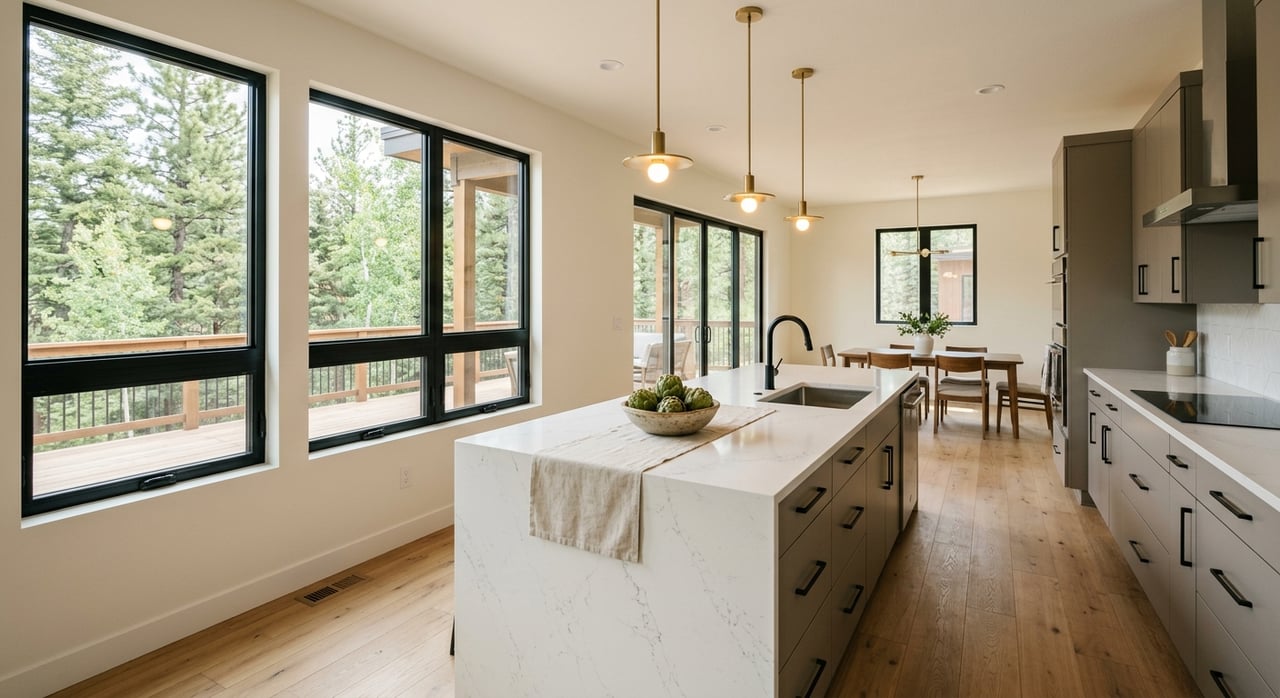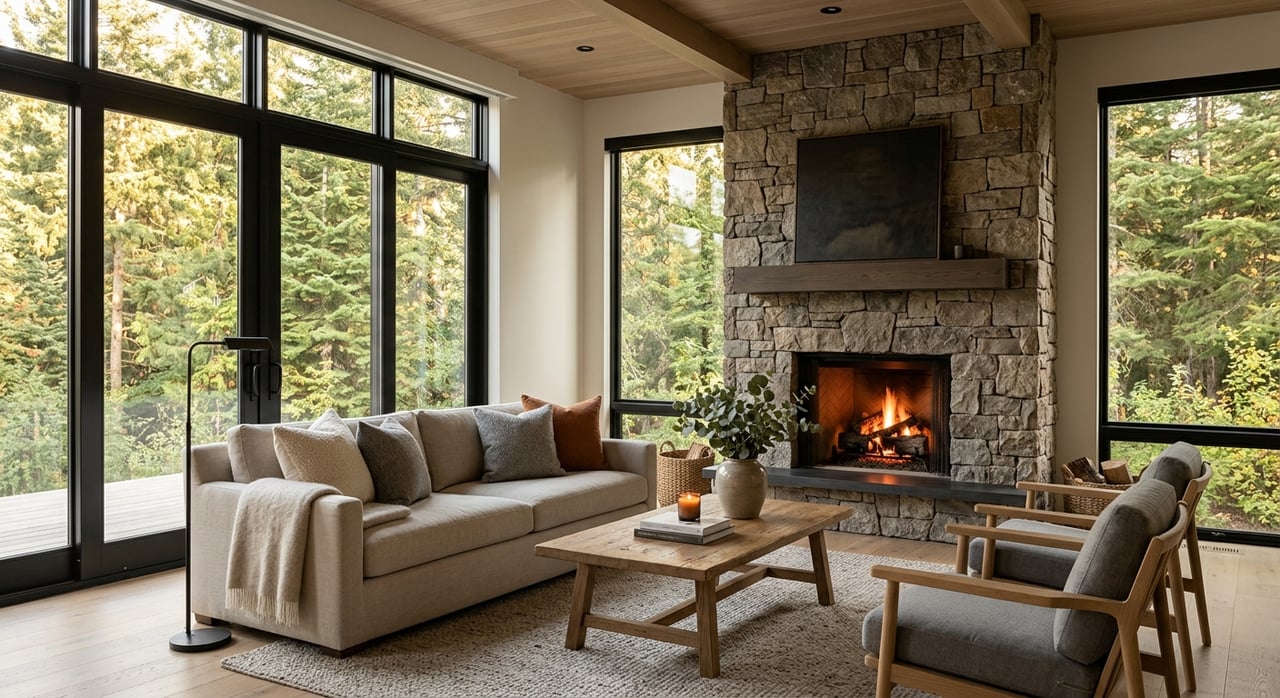
Looking for a mountain home near downtown Waynesville can feel like choosing between two good things. You may want the charm and convenience of Main Street, but you also want the privacy, views, and character that make Western North Carolina so appealing. The good news is that you do not have to guess your way through that tradeoff. With the right approach, you can compare home style, access, topography, and upkeep in a way that fits how you actually want to live. Let’s dive in.
Why Waynesville Draws Mountain Buyers
Waynesville offers a mix that is hard to ignore. The town has a state-certified 2024 population estimate of 10,663, covers 6.9 square miles, and sits at an elevation of 2,713 feet. It is also close to Great Smoky Mountains National Park and the Blue Ridge Parkway, which helps explain why many buyers want both town convenience and a mountain setting.
Downtown is a real part of daily life here, not just a landmark on a map. The town describes downtown Waynesville as the center of the community, and free public parking is available within a short walk of Main Street. That matters if you want easy access to shops, dining, and events without needing to live right in the historic core.
What “Near Downtown” Really Means
In Waynesville, being near downtown does not always mean being flat, walkable, or low maintenance. A home a short drive from Main Street may still feel tucked into the mountains, while an in-town home may offer easier day-to-day access but come with an older structure or historic considerations. That is why your best choice usually comes down to the full package, not just the address.
A smart search looks at four things together:
- Proximity to downtown
- Lot slope and driveway access
- Home age and condition
- Ongoing maintenance needs
When you compare properties this way, it becomes much easier to see which home supports your lifestyle and which one may create more work than you expected.
Compare the Main Home Types
Historic bungalows and cottages
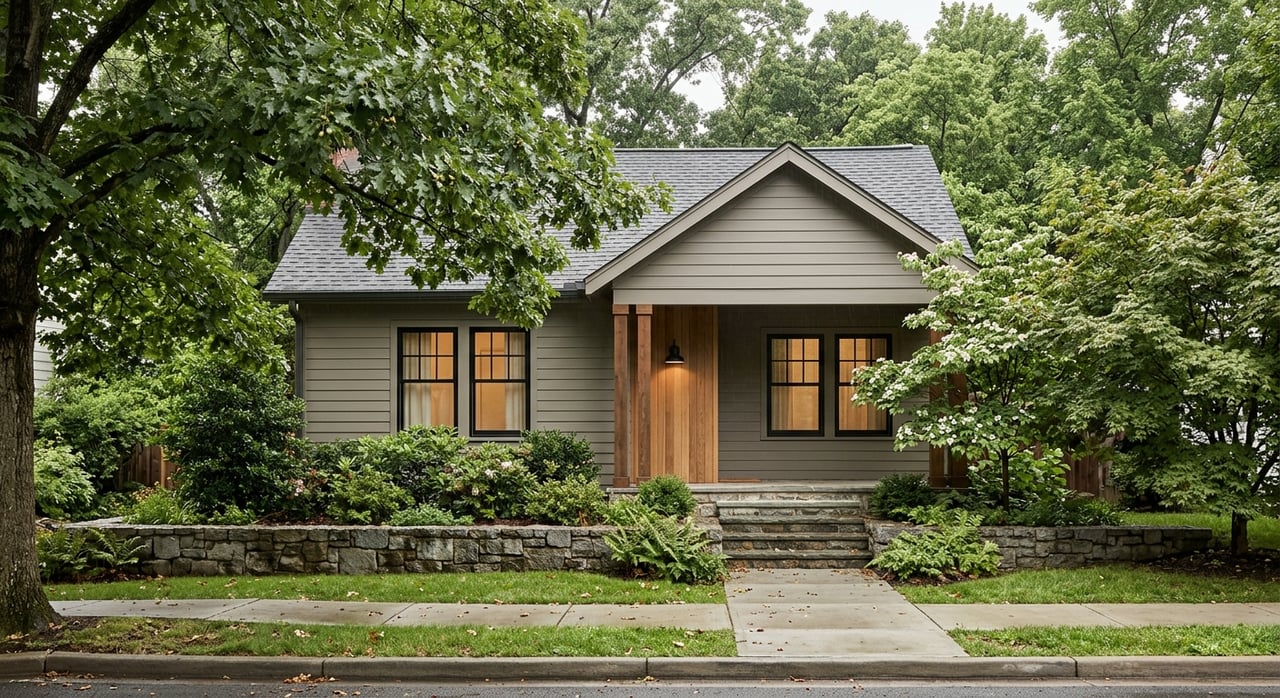
If you love charm, established streets, and being closer to town, a bungalow or cottage may be the first style that catches your eye. Waynesville’s design guidelines describe Craftsman and bungalow homes as having low-pitched gabled roofs, wide eaves, exposed rafters or braces, and full or partial porches. These homes are commonly tied to early 20th-century neighborhoods, including examples near Love Lane.
The appeal is easy to understand. These homes often offer character, front porches, and a setting that feels rooted in the town’s history. If being close to Main Street matters to you, this category often checks that box.
The tradeoff is that older homes may come with more preservation sensitivity. Waynesville has active historic preservation oversight, and the town’s guidelines say additions should complement the original building, avoid overwhelming it, and generally be placed on rear or side elevations where they are less visible from the street. If a property is a local landmark, it may qualify for a 50% property tax reduction.
Hillside cabins and mountain homes
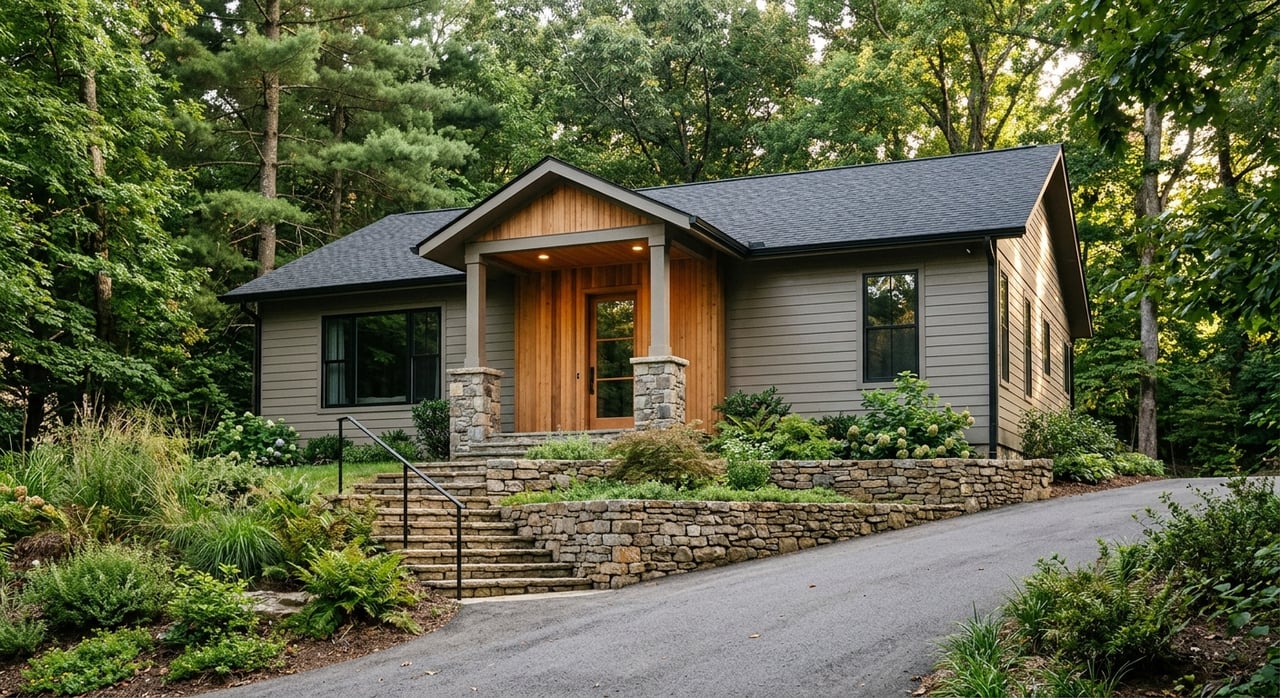
If your goal is a stronger mountain feel, a hillside home or cabin near downtown may be the better fit. These properties often offer more privacy, wooded surroundings, or elevated views while still keeping town within easy reach. In many cases, the site matters just as much as the house itself.
Haywood County GIS includes topography, soils, road centerlines, and city flood and zoning layers. The town’s Development Services department also handles floodplain management, stormwater, and sedimentation and erosion control. That makes slope, drainage, and access especially important when you are evaluating a mountain parcel.
This is where practical thinking really pays off. A steep driveway may be worth it for the setting, but you should understand what that means for parking, winter access, runoff, and long-term exterior maintenance. Retaining walls, foundation exposure, and water movement are not side notes on hillside property. They are part of the decision.
Newer subdivisions near Main Street
For buyers who want a mountain setting with fewer historic constraints, newer subdivisions can offer a helpful middle ground. You may not be directly in the historic center, but you can still be a short drive from downtown and enjoy the convenience of free nearby parking once you get there. That can make these homes a strong option if you want simpler everyday access without giving up the Waynesville lifestyle.
These properties may also feel more predictable from a maintenance standpoint, though you should still verify the details of each parcel. Utility service is one of the biggest items to confirm. Waynesville operates water and wastewater systems and provides electric service to some areas inside the corporate limits, while other local utility providers include Duke Energy Progress, Public Service Company of North Carolina, and propane.
The Features That Matter Most
Check slope and driveway grade
A beautiful home can lose some of its appeal if getting in and out feels stressful. Haywood County’s GIS mapping can help you review topography and road-centerline data before or during your search. That gives you a better sense of how steep the approach may be and what daily access could feel like.
This matters in every season, but especially when weather changes. Waynesville’s elevation and climate mean mountain properties can face more moisture and some winter weather exposure than flatter lowland markets. The town reports average annual snowfall of 12.2 inches, and NOAA normals from the Waynesville 1 E station show 10.9 inches of snow and 50.23 inches of precipitation.
Look closely at drainage and runoff
In mountain real estate, water is never just a cosmetic issue. The county flood ordinance and the town’s stormwater and erosion-control responsibilities make drainage a true due-diligence item. You want to understand where water goes, how runoff is handled, and whether retaining walls or grading appear to be doing their job.
This is especially important on sloped lots. A home can show beautifully on a dry day and still have drainage patterns that deserve closer review. If a site has steep grades, exposed foundation areas, or signs of redirected water, those details should be part of your evaluation.
Understand floodplain risk
Not every home near downtown sits high on a ridge. Some areas are lower lying, and that difference matters. Waynesville’s design guidelines specifically describe Frog Level as having low-lying topography, and Haywood County defines floodplain and flood zone concepts through its flood-damage-prevention rules.
If you are comparing a creek-adjacent or valley-floor property with a hillside home, you should assess them differently. Neither setting is automatically right or wrong, but each comes with its own questions about drainage, mapping, and long-term comfort with the site.
Verify historic status
Historic character can be a major plus, but you need to know what comes with it. Waynesville has three National Register historic districts noted in its guidelines: Frog Level, Waynesville Main Street, and Spread Out. Exterior changes on homes in historic settings may face more constraints, especially for visible additions, porches, roofline changes, and materials.
That does not mean you should avoid these homes. It means you should go in with clear expectations. If you love the architecture and the in-town feel, the tradeoff may be well worth it.
Confirm utilities parcel by parcel
Do not assume utility service based on how close a home is to downtown. In Waynesville, utility availability can vary by area. Water, wastewater, electric, natural gas, and propane should all be confirmed for the specific property you are considering.
This step is especially helpful if you are comparing older homes, hillside parcels, or properties just outside the most central areas. Clear utility information can save you time and help you compare homes more accurately.
Match the Home to Your Lifestyle
If you want walkability and charm
A bungalow or cottage closer to Main Street may be your best fit. You may gain easier access to downtown and a more established neighborhood pattern. In exchange, you may need to be more thoughtful about upkeep, updates, and any future exterior changes.
If you want views and privacy
A hillside cabin or mountain home may better match your goals. You may get a stronger sense of retreat while staying close to town. Just be ready to look more carefully at driveway grade, drainage, retaining walls, and site access.
If you want balance and simplicity
A newer subdivision may offer the most practical mix. You can still enjoy downtown Waynesville without being tied to an older in-town lot or a steeper mountain site. For many buyers, this option creates a nice balance between mountain atmosphere and day-to-day ease.
A Smart Way to Narrow Your Search
When homes look very different on paper, it helps to rank them by how you plan to use them. Start by asking yourself a few simple questions:
- How often do you want to be downtown?
- Are you comfortable with a steep driveway?
- Do you enjoy the responsibility of an older home?
- How important are privacy and views?
- Would simpler access matter more than historic character?
Those answers can quickly narrow the field. In Waynesville, the best home is often the one that balances mountain character with practical access, not the one that checks only one box.
If you are buying from out of town, this kind of practical filter matters even more. A home can feel perfect in listing photos, but the site, approach, and utility setup are often what determine whether it is the right long-term fit. That is where local guidance can make a real difference.
If you want help comparing homes near downtown Waynesville, from historic cottages to hillside properties and newer mountain neighborhoods, Rebecca Lafunor can help you sort through the details and focus on the options that truly fit your goals.
FAQs
What should you look for in a mountain home near downtown Waynesville?
- Focus on the full picture: access to downtown, lot slope, driveway grade, drainage, home age, historic status, and utility service.
Are historic homes near downtown Waynesville harder to update?
- They can be, especially if the property is in a historic district or has landmark status, because visible exterior changes may need to follow local preservation guidelines.
Do hillside homes near Waynesville need extra due diligence?
- Yes. Slope, runoff, retaining walls, foundation exposure, and driveway access are especially important on mountain sites.
Is downtown Waynesville convenient if you do not live right on Main Street?
- Yes. The town provides free public parking within a short walk of Main Street, so a short drive can still offer easy downtown access.
Should you assume utilities are available near downtown Waynesville?
- No. Utility service can vary by property, so water, wastewater, electric, gas, and propane should be confirmed parcel by parcel.