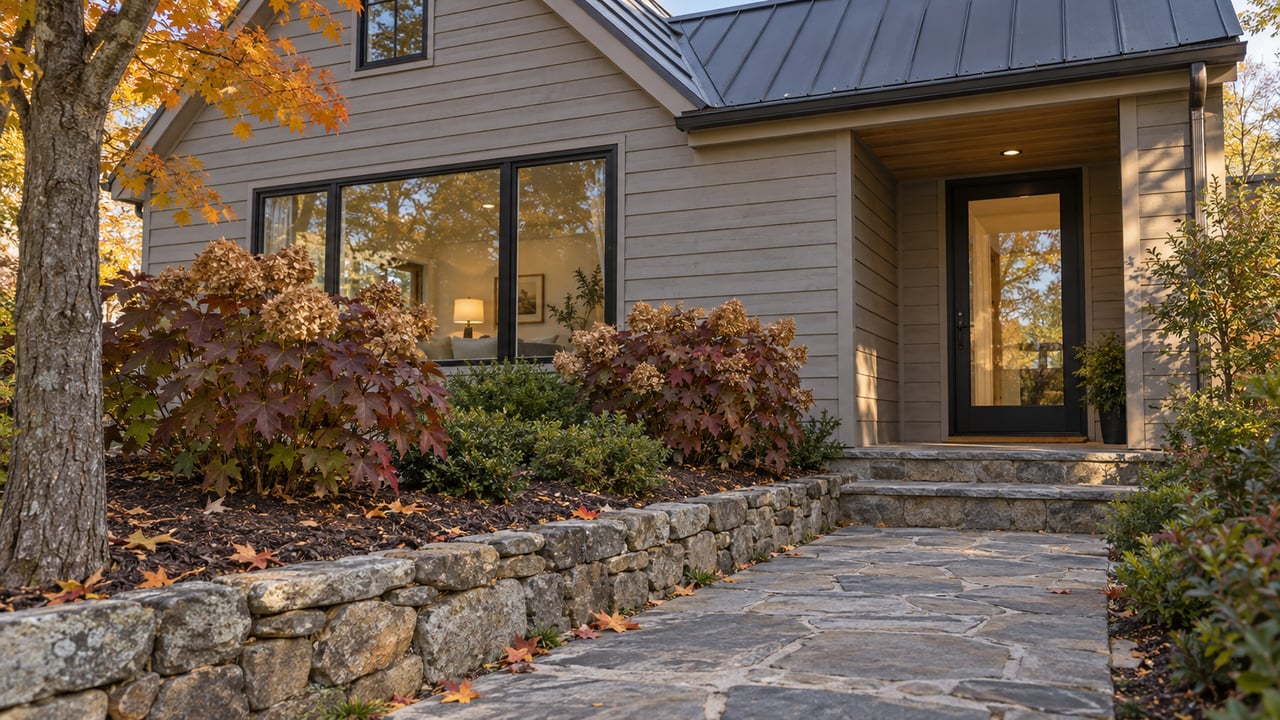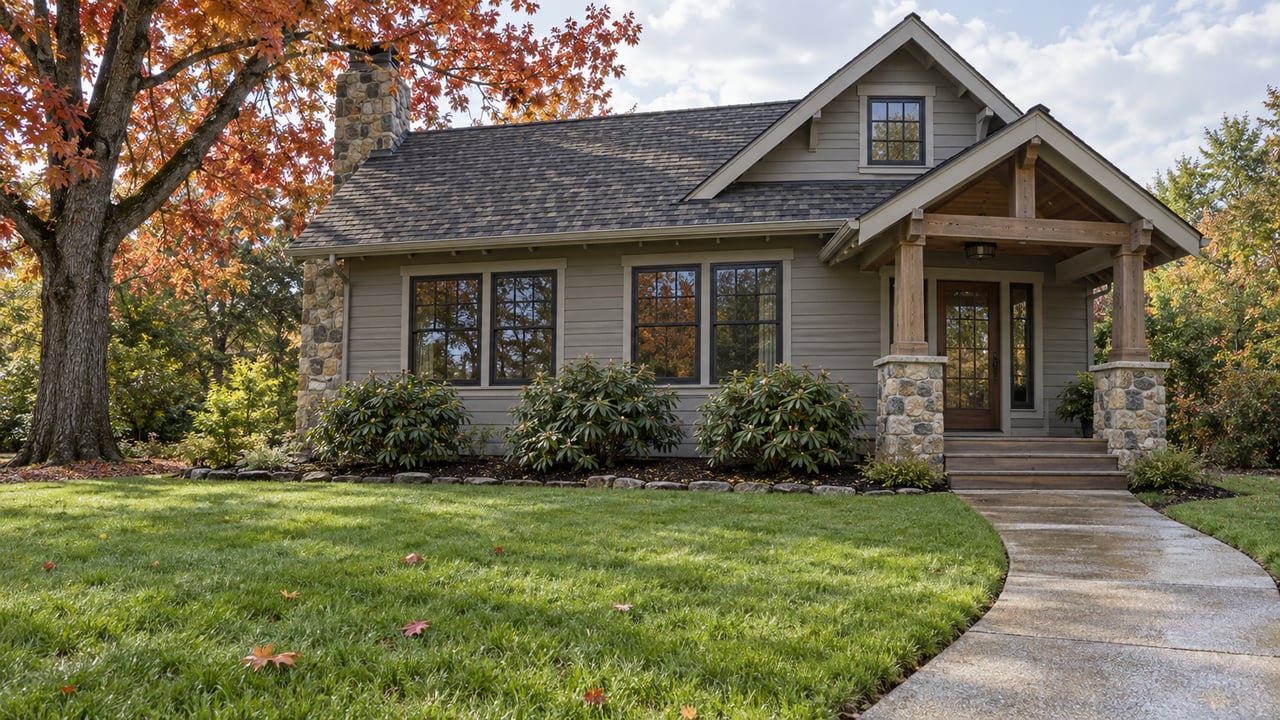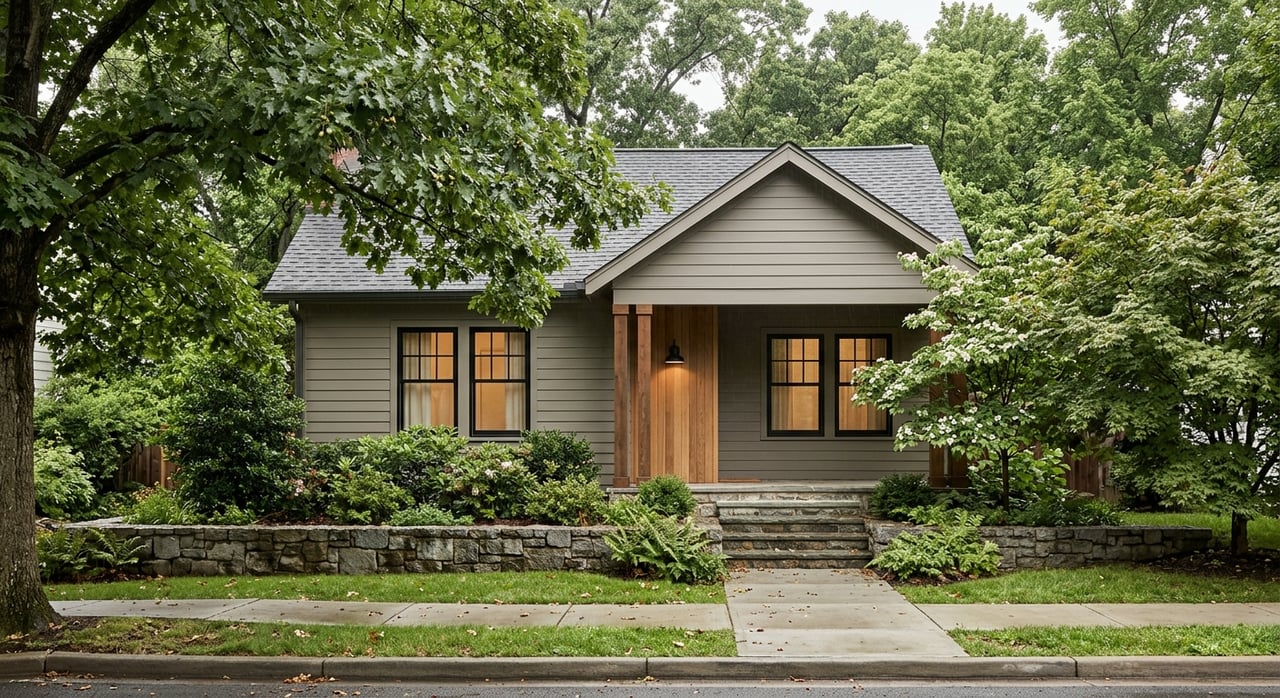
If you’re moving to Asheville, one question shapes your day-to-day life more than almost anything else: do you want to step outside and walk to coffee, dinner, and errands, or do you want to come home to trees, shade, and a quieter setting? Both lifestyles exist here, and Asheville is one of the few places where the line between them can blur in a good way. If you’re trying to decide which fit is right for you, this guide will help you compare the feel, tradeoffs, and neighborhood patterns that matter most. Let’s dive in.
Why Asheville makes this choice unique
Asheville offers a mix that many buyers are looking for: a compact in-town street network paired with strong tree cover and easy access to outdoor spaces. The city identifies trees in streets, parks, natural areas, and private yards as part of its urban forest, and it is working on an Urban Forest Master Plan. Asheville also maintains about 404 miles of streets, 195 miles of sidewalk, and roughly 9 miles of greenways.
That means your choice is not always between “urban” and “rural.” In Asheville, you can often find homes that feel connected to town while still offering greenery, canopy, and access to trails or greenways. The real question is which daily rhythm fits you best.
What walkable living means in Asheville
Walkable living in Asheville usually means you can leave your car parked more often and handle short trips on foot, by bike, or with transit. For many buyers, that means being closer to restaurants, galleries, cafés, events, and established sidewalks. It can make everyday life feel more spontaneous and a little simpler.
The city’s transportation approach also supports that lifestyle. Asheville frames policy around complete streets, which are meant to make it easier to cross, walk, bike, and reach transit. ART, the city’s transit system, operates 18 routes from the downtown station, with service from 5:30 a.m. to 10:30 p.m. Monday through Saturday, 8:30 a.m. to 6:30 p.m. on Sundays and holidays, and a $1 one-way fare.
Walkable areas buyers often explore
Several Asheville areas are commonly associated with a more walkable lifestyle:
- Downtown for access to dining, shopping, and events
- South Slope for a close-in location that overlaps downtown and Southside
- West Asheville for the walkable 2.5-mile Haywood Road corridor
- Five Points for sidewalks on most streets and an easy trip into town by walking or biking
- Montford for its location just north of downtown
- River Arts District for galleries, cafés, and breweries close together
Each of these areas offers a different version of convenience, but they tend to share one thing: it is easier to build your routine around proximity.
Who tends to prefer walkable living
You may lean toward walkable living if you want your neighborhood to support short outings without much planning. Maybe you like the idea of dinner plans that do not require a long drive, or you want sidewalks and transit to play a bigger role in your week. For some buyers, that convenience is the main lifestyle upgrade.
Walkable areas can also appeal if you are relocating and want to learn Asheville by being in the middle of it. Being able to explore on foot often helps you get comfortable faster and understand how different parts of the city connect.
What wooded living means in Asheville
Wooded living in Asheville usually does not mean being far from town. More often, it means choosing a home with more tree canopy, more privacy, and a stronger sense of retreat while still keeping access to city amenities. In Asheville, that combination is a major part of the appeal.
The city notes that trees provide shade, privacy screens, wildlife habitat, erosion control, and cooling. Asheville’s greenways are also designed as low-stress paths separated from motor traffic, which reinforces the idea that nature access and everyday livability can overlap here.
Wooded areas buyers often consider
Neighborhoods and areas often associated with a more nature-forward or wooded setting include:
- Haw Creek
- Beaverdam
- Kenilworth
- Town Mountain
These areas are often considered by buyers who want more canopy and a quieter feel. In an archived city profile, Haw Creek was described as a valley community with a rural past, which helps explain why some Asheville neighborhoods still feel tucked away even when they are not far from daily conveniences.
Who tends to prefer wooded living
You may prefer wooded living if home is your reset button. If privacy, shade, and a calmer atmosphere matter more to you than walking to dinner, a wooded setting may feel like the better fit. It can be especially appealing if you want easier access to trails, parkways, or green space as part of your routine.
That said, wooded living often comes with more driving and more property-related attention. Leaves, drainage, storm cleanup, and tree maintenance can become a more regular part of homeownership in these settings.
The daily tradeoffs to think through
The biggest difference between walkable and wooded living is often not price or even location. It is how your normal week feels. One supports convenience and activity close at hand, while the other usually supports privacy and a stronger sense of escape.
If you choose walkable living, your benefits may include:
- Easier short trips without using the car
- Closer access to restaurants, galleries, and events
- Sidewalks, bike routes, or transit that support flexible movement
- A neighborhood feel built around activity and connection
If you choose wooded living, your benefits may include:
- More canopy and shade around the home
- Added privacy from natural screening
- A quieter setting
- Closer proximity to trails, greenways, or parkway access in some areas
Neither choice is automatically better. The best option depends on what you want your mornings, evenings, and weekends to look like.
Asheville often blends both lifestyles
One reason this decision can be tricky is that Asheville does not fit into neat boxes. Some homes offer tree cover and a peaceful feel while still keeping you close to in-town amenities. Others give you a more urban routine without losing access to parks and outdoor spaces.
That overlap is part of what makes Asheville such a strong market for lifestyle buyers. You are often not choosing between city life and nature. You are deciding which one you want to prioritize most.
Practical factors for wooded properties
If you are leaning toward a wooded or hillside home, it helps to look beyond the view and privacy. Asheville’s landslide toolkit flags Beaverdam, Haw Creek, Kenilworth, and Town Mountain among neighborhoods with elevated landslide risk for homes and road closures. That does not mean you should avoid these areas, but it does mean site conditions deserve close attention.
For homes in these settings, you will want to pay extra attention to:
- Slope and drainage patterns
- Tree cover near the house and driveway
- Road access during heavy weather
- Driveway grade and maintenance needs
- Signs of erosion or water movement
This is where practical, local guidance matters. A wooded property can be a great fit, but you want to understand how the lot functions, not just how it looks on a sunny day.
Practical factors for walkable areas
If you are leaning toward a walkable area, think about what “walkable” means for your routine rather than as a label. For one buyer, it means walking to coffee and dinner. For another, it means having sidewalks, easier bike access, and transit options for shorter trips.
In Asheville, walkability can vary by block, not just by neighborhood name. You may want to look at how easily you can reach daily destinations, how comfortable the route feels on foot, and whether transit helps fill the gaps. ART service and complete streets planning can make a meaningful difference if reducing car dependence is one of your goals.
Greenways and trail access matter too
For many Asheville buyers, the real lifestyle sweet spot is not just walkable or wooded. It is access to greenways and trails that support an active routine. Asheville’s greenways are intended to be low-stress paths separated from traffic, which can add a lot of value to daily life.
At the same time, access can change. The city says part of the French Broad River Greenway is closed due to Helene damage, and the National Park Service lists a temporary closure for the Mountains-to-Sea Trail near the I-26 bridge in Asheville. If trail access is a major part of your home search, it is smart to check current conditions before you decide.
How to choose the right fit
If you are torn, start by thinking less about features and more about habits. Ask yourself what you want to do easily three to five times a week. Your answer will usually point you in the right direction.
Choose walkable living if you want to:
- Leave the car parked more often
- Be closer to restaurants, events, and local activity
- Use sidewalks, biking, or transit for shorter trips
- Feel connected to the energy of the city
Choose wooded living if you want to:
- Prioritize privacy and shade
- Enjoy a quieter home setting
- Be closer to trails or green space
- Feel comfortable managing slope, drainage, and storm-related considerations
In Asheville, many buyers end up looking for a middle ground. That might mean a tree-lined in-town neighborhood, or a wooded property that still keeps you within easy reach of downtown or daily services.
A local strategy helps you compare clearly
This is where a focused home search makes a big difference. Two homes can both be in Asheville and offer completely different day-to-day experiences, even if they are only a few miles apart. One may support a casual, on-foot routine, while the other may offer the privacy and natural setting you have been craving.
When you compare homes through a lifestyle lens, you make better decisions faster. You can weigh not just the home itself, but also sidewalks, transit access, tree cover, slope, driveway conditions, and proximity to the places you will actually use.
If you are deciding between walkable and wooded living in Asheville, working with someone who understands both neighborhood character and property condition can save you time and help you avoid surprises. Rebecca Lafunor can help you sort through Asheville’s lifestyle options, compare homes with a practical eye, and find the setting that fits the way you want to live.
FAQs
What does walkable living in Asheville usually mean?
- Walkable living in Asheville usually means being in or near areas like Downtown, South Slope, West Asheville, Five Points, Montford, or the River Arts District, where sidewalks, nearby destinations, biking, or transit can make short trips easier.
What does wooded living in Asheville usually mean?
- Wooded living in Asheville usually means more tree canopy, privacy, shade, and access to green space or trails, often in areas like Haw Creek, Beaverdam, Kenilworth, or Town Mountain.
Which Asheville neighborhoods are known for walkability?
- Areas commonly associated with walkability include Downtown, South Slope, West Asheville, Five Points, Montford, and the River Arts District.
Which Asheville neighborhoods are known for a wooded setting?
- Areas often associated with a more wooded or nature-forward setting include Haw Creek, Beaverdam, Kenilworth, and Town Mountain.
What should you check before buying a wooded home in Asheville?
- You should pay close attention to slope, drainage, tree cover, driveway access, erosion, and potential road closure concerns, especially in areas the city flags for elevated landslide risk.
Can you have both walkability and nature access in Asheville?
- Yes. Asheville often blends the two, with some neighborhoods offering in-town convenience along with tree cover, greenways, or easy access to outdoor spaces.
Does Asheville have public transit for buyers who want a walkable lifestyle?
- Yes. ART operates 18 routes from the downtown station, with service throughout the week and a $1 one-way fare, which can help support a lower-car lifestyle depending on where you live.
Should you check trail and greenway conditions before buying in Asheville?
- Yes. Greenways and trails can have temporary closures due to storm damage or construction, so it is wise to verify current conditions if outdoor access is an important part of your search.