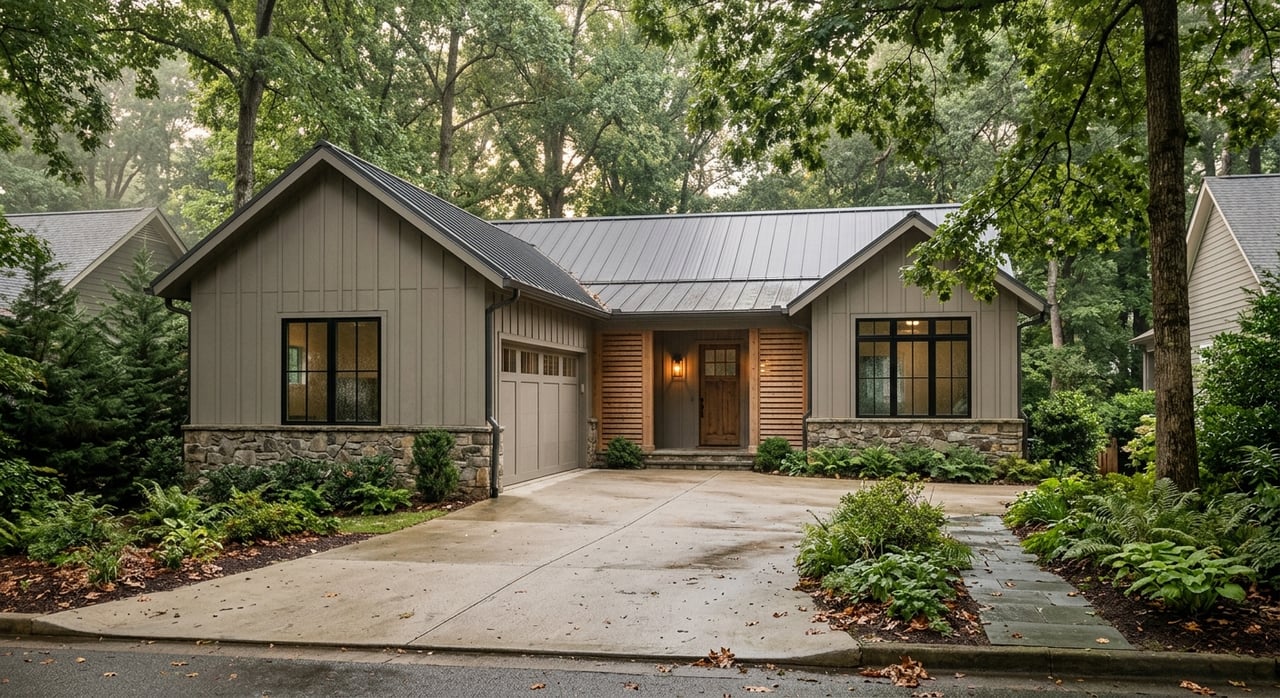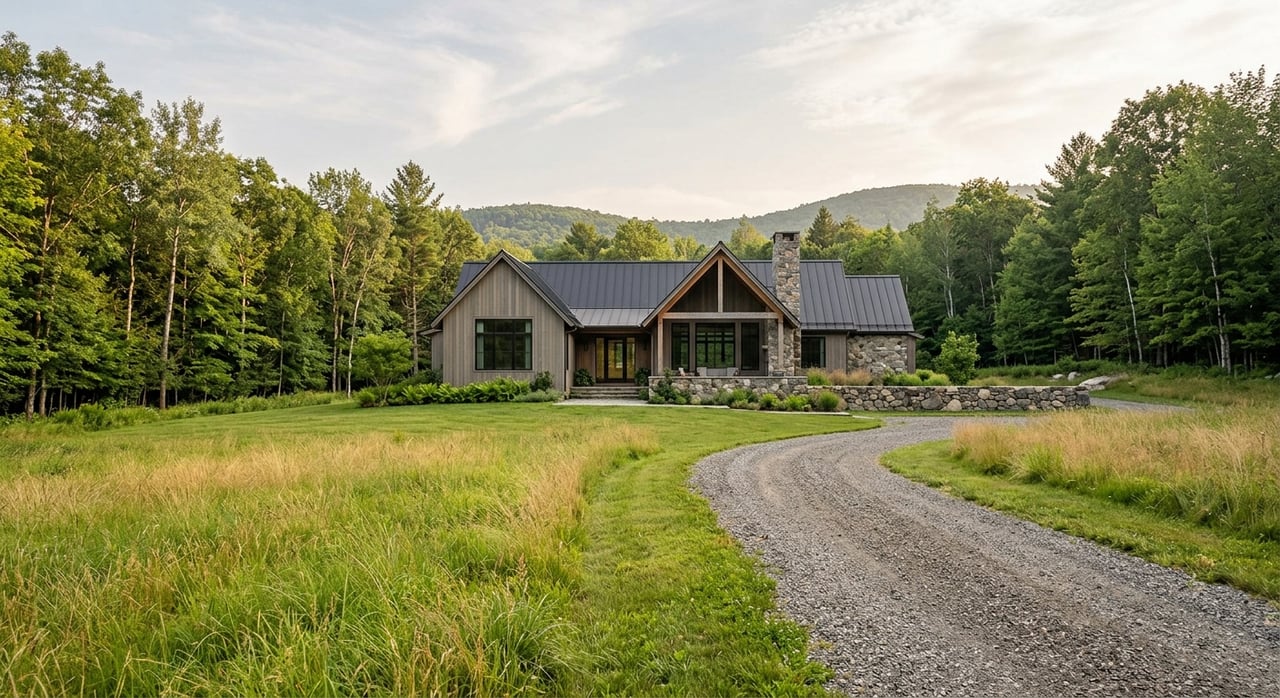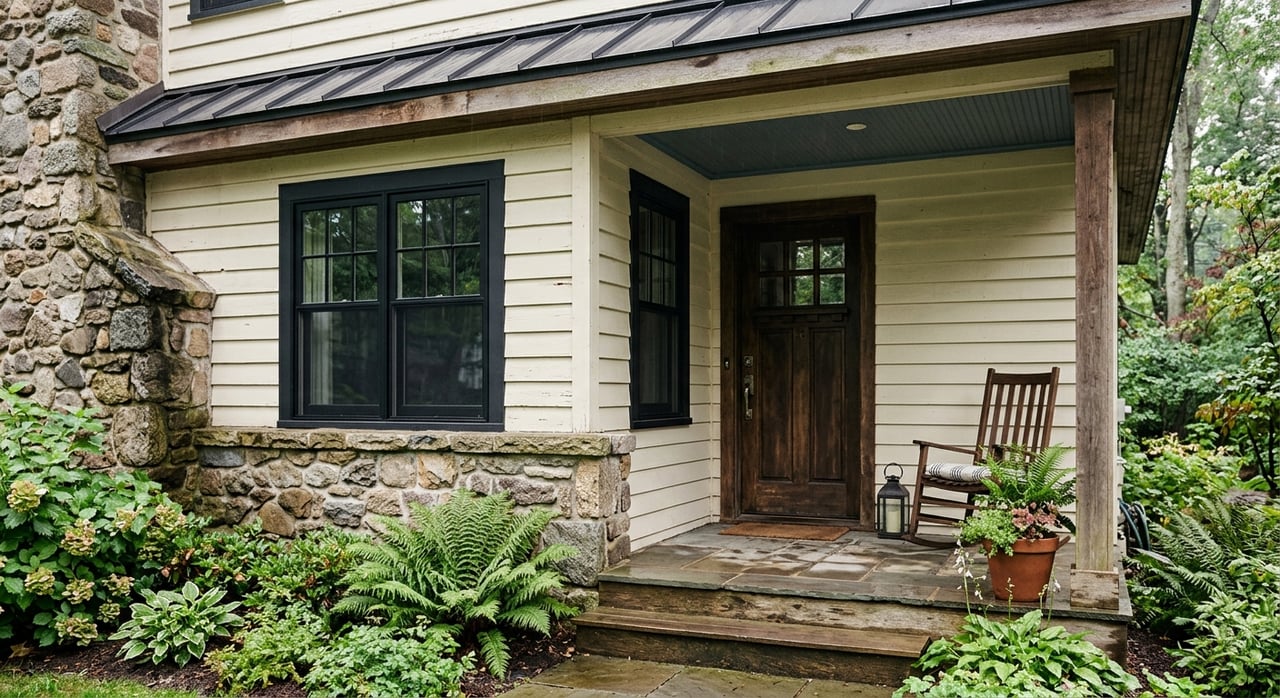
Trying to choose between a brand-new home and a character-filled older property in Hendersonville? You are not alone. Many buyers are drawn to the ease of new construction but still feel the pull of Hendersonville’s historic streets, classic architecture, and established in-town feel. This guide will help you compare both paths so you can make a decision that fits your budget, lifestyle, and comfort level with upkeep. Let’s dive in.
Hendersonville Offers Both Options
Hendersonville gives you a real mix of old and new. The city has a well-known historic downtown with the restored Historic Downtown Courthouse and many architecturally significant buildings. It also includes local historic districts such as Main Street, Druid Hills, Druid Hills Commercial, and Hyman Heights, along with several National Register historic districts.
At the same time, Hendersonville is planning for more housing. The city adopted its first Strategic Housing Plan in December 2025, and a late-2024 housing presentation said about 5,700 housing units were in the Henderson County pipeline. For you as a buyer, that means this is not an either-or market. You can realistically explore both newer homes and historic properties.
Why Buyers Choose New Construction
New construction often appeals to buyers who want a simpler start. In many newer homes, you will see more open common areas and flexible spaces instead of highly separated formal rooms. That layout tends to fit how many people live today, especially if you want rooms that can serve more than one purpose.
Another major draw is efficiency. New homes start from a stronger baseline because they are built under current code requirements in effect at the time of construction, and some may also meet high-performance standards through third-party verification programs. For you, that can mean better comfort, durability, and energy performance right from day one.
Many buyers also like the idea of fewer immediate projects. With a newer home, systems, materials, and finishes are typically newer too. That does not mean a new home is maintenance-free, but it often means you are less likely to begin ownership with a long repair list.
What to Expect With New Construction
If you are considering a new build in Hendersonville, it helps to understand that the process involves more than picking a floor plan. The city’s zoning compliance permit form lists new single-family homes and notes that related approvals may also come into play for sidewalks, floodplain, stream buffer, and driveway issues. It also makes clear that a zoning permit is not the same as a building permit.
Henderson County Permits and Inspections says residential construction projects require permits and inspections unless specifically excluded. The county handles permit review, inspections, and certificates of occupancy for Hendersonville and other municipalities under contract. In plain terms, new construction can feel convenient once complete, but getting there may involve site work, approvals, and timing that buyers should understand upfront.
New Construction Budget Patterns
With new construction, the cost of convenience often shows up early. You may see it in lot conditions, site preparation, selections, upgrade decisions, and permit coordination. That does not automatically make a new home more expensive overall, but it does mean your budget planning may need to account for more front-end decisions.
If you are buying from out of town or juggling a busy schedule, this predictability can still be appealing. A newer home may offer a cleaner first-year budget story because major systems are newer and the list of immediate upgrades may be shorter. That can be especially helpful if you want to move in and settle quickly.
Why Buyers Love Historic Charm
Historic homes in Hendersonville offer something that is hard to duplicate. They often come with architectural details, mature settings, and a sense of place that newer neighborhoods may take years to develop. If you love older homes, Hendersonville gives you a strong local preservation culture to support that interest.
The city describes historic properties as part of the community’s heritage, and local historic preservation staff help owners work through changes to those properties. Downtown Hendersonville, with its walkable Main Street area and notable older buildings, plays a big part in that identity. For many buyers, the appeal is not just the house itself. It is the feeling of being part of an established area with visible history.
What Historic Ownership Can Involve
The biggest practical difference with a historic property is review. In Hendersonville’s local historic districts and local landmarks, exterior changes, new construction, demolition, significant landscape changes, or moving buildings require a certificate of appropriateness before work begins. The city’s design guidelines are meant to shape change rather than stop it, and they emphasize repair over replacement.
That matters if you are dreaming about quick exterior updates. A historic home may offer more character, but your timeline for changes can look different if approvals are required. If you enjoy careful planning and want to preserve original features, this process may feel worthwhile. If you want maximum flexibility, it may feel limiting.
Older Homes Need Closer Inspection
Older homes can also bring more maintenance and safety questions. Homes built before 1978 are more likely to contain lead-based paint. In Hendersonville, homes built before 1986 are also more likely to have lead solder, pipes, and fixtures in plumbing systems.
The city notes that homeowners are responsible for the portion of the water service line from the meter to the home and for all internal plumbing. That makes inspections especially important if you are looking at an older property. A charming house can be a great fit, but you want a clear picture of what may need attention now versus later.
Energy Updates Are More Case by Case
If you are buying an older or historic home, energy performance should be looked at individually. Many older homes have less insulation than homes built today, and improvements like air sealing and insulation may be worth exploring. Still, older and historic homes do not have a one-size-fits-all energy solution.
That means your path will likely be more custom. Some homes may be good candidates for targeted upgrades, while others may need a more careful approach based on how the house was built and what features you want to preserve. This is one area where practical planning matters more than assumptions.
Convenience Versus Character
For many buyers, the decision comes down to convenience versus character. New construction usually fits buyers who want fewer immediate projects, current-code systems, and a more predictable start. Historic homes often fit buyers who care deeply about architectural detail, established surroundings, and the opportunity to shape a home over time.
Neither option is automatically better. The better choice is the one that matches how you want to live. If you love one-of-a-kind details and do not mind a longer to-do list, a character home may feel rewarding. If you want easier maintenance and fewer surprises, newer construction may feel like the better fit.
Questions to Ask Yourself First
Before you decide, it helps to get honest about your priorities. A few questions can quickly clarify which direction makes more sense.
- Do you want to move in with minimal projects?
- Do you enjoy planning repairs or renovations over time?
- Are you comfortable with added review for exterior changes in a local historic district?
- Would you rather pay for convenience upfront or prepare for updates later?
- Do you care more about flexible modern layout or original architectural details?
Your answers can tell you a lot. In many cases, buyers already know which lifestyle fits them best before they ever step into a showing.
How Rebecca Lafunor Can Help
When you are comparing new construction and historic homes, local knowledge matters. The details are different in each path, from permit coordination and site considerations to renovation planning and property-condition questions. Having guidance from someone who understands both the market and the practical side of homes can make your decision clearer.
Rebecca Lafunor brings a hands-on, practical approach that fits this kind of search well. Whether you are relocating to Western North Carolina, narrowing down lifestyle priorities, or weighing renovation potential against move-in ease, she can help you sort through the tradeoffs and focus on what works for you.
If you are deciding between a new build and a historic home in Hendersonville, connect with Rebecca Lafunor for practical guidance tailored to your goals.
FAQs
What is the difference between new construction and historic homes in Hendersonville?
- New construction usually offers newer systems, more flexible layouts, and a more predictable maintenance start, while historic homes often offer architectural detail, established settings, and added review for certain exterior changes.
What should buyers know about historic districts in Hendersonville?
- In Hendersonville local historic districts and local landmarks, exterior alterations, new construction, demolition, significant landscape changes, or moving buildings require a certificate of appropriateness before work begins.
What should buyers know about permits for new homes in Hendersonville?
- New homes may involve zoning compliance review along with related issues such as sidewalks, floodplain, stream buffer, and driveway approvals, and the zoning permit is separate from the building permit.
What maintenance concerns come with older homes in Hendersonville?
- Older homes may need closer review for lead-based paint, older plumbing materials, insulation levels, and the condition of systems that may require updates over time.
Is new construction always cheaper than a historic home in Hendersonville?
- No. The cost profile is usually different rather than universally lower, with new construction often bringing more upfront costs and historic homes more likely to bring later inspection, repair, or upgrade costs.
Which Hendersonville home style is better for relocation buyers?
- Buyers relocating to Hendersonville often prefer the option that matches their lifestyle tolerance, with newer homes appealing to those who want predictability and historic homes appealing to those who value character and are comfortable with more hands-on planning.